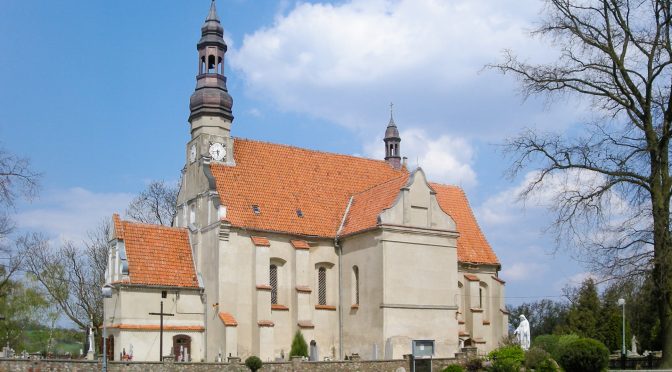
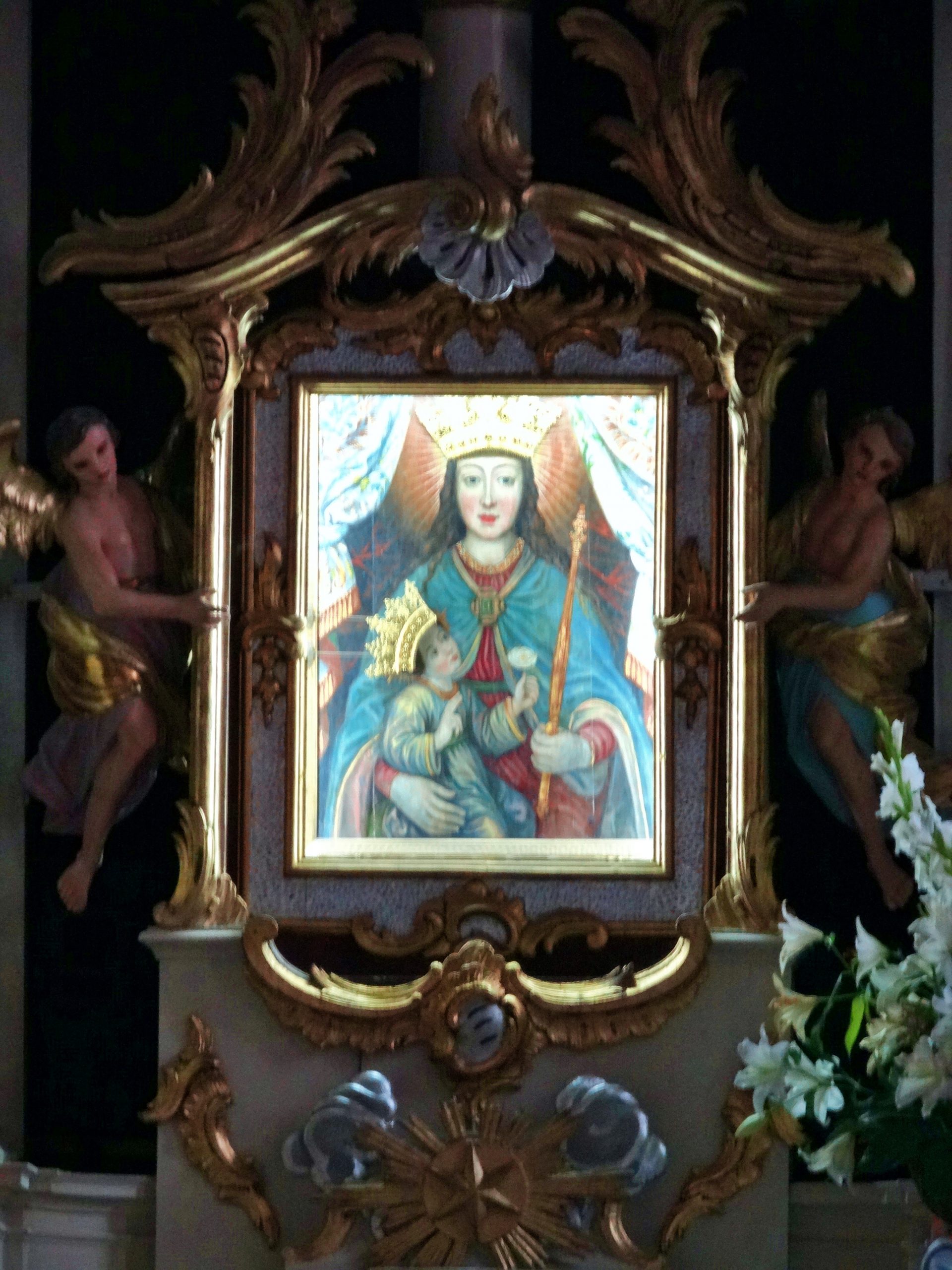
Manierystyczny kościół Świętej Trójcy w Byszewie ufundował Jan Karol Czołchański herbu Sas, opat z pobliskiego Koronowa. Wzniesiona w latach 1610–1663 świątynia przeszła znaczną przebudowę w II połowie XVIII w. za sprawą dwóch kolejnych opatów koronowskich (stryja i bratanka), Stefana Mikołaja oraz Jana Antoniego Chrząstowskich herbu Łodzia. Kościół kryje piękne i bogate, chociaż wymagające dużych nakładów na renowację, wyposażenie barokowe i późnobarokowe. Wśród nich znajduje się cudowny obraz Matki Boskiej Byszewskiej, pochodzący prawdopodobnie z XIII w. Wg legendy — został wyłowiony z jeziora, w którym ukazał się mnichom z miejscowego zakonu cystersów. Od tamtej pory słynie cudami. 22 listopada 1964 roku papież Paweł VI wydał dekret dotyczący koronacji cudownego obrazu.
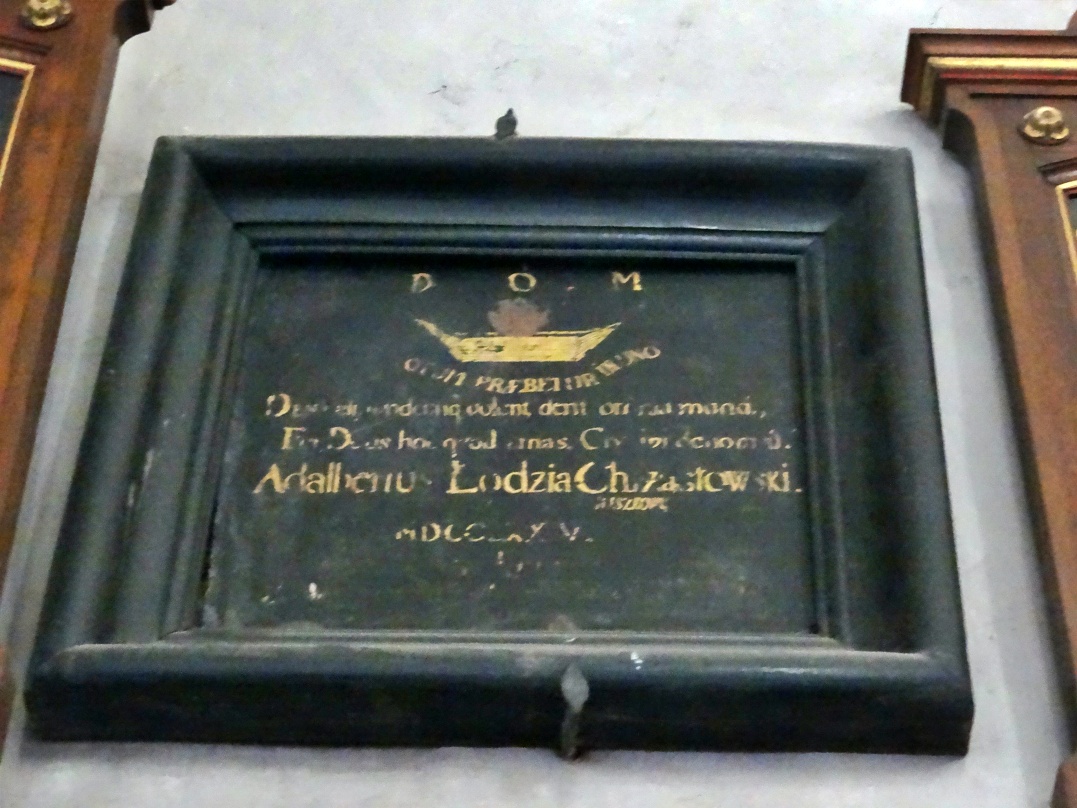
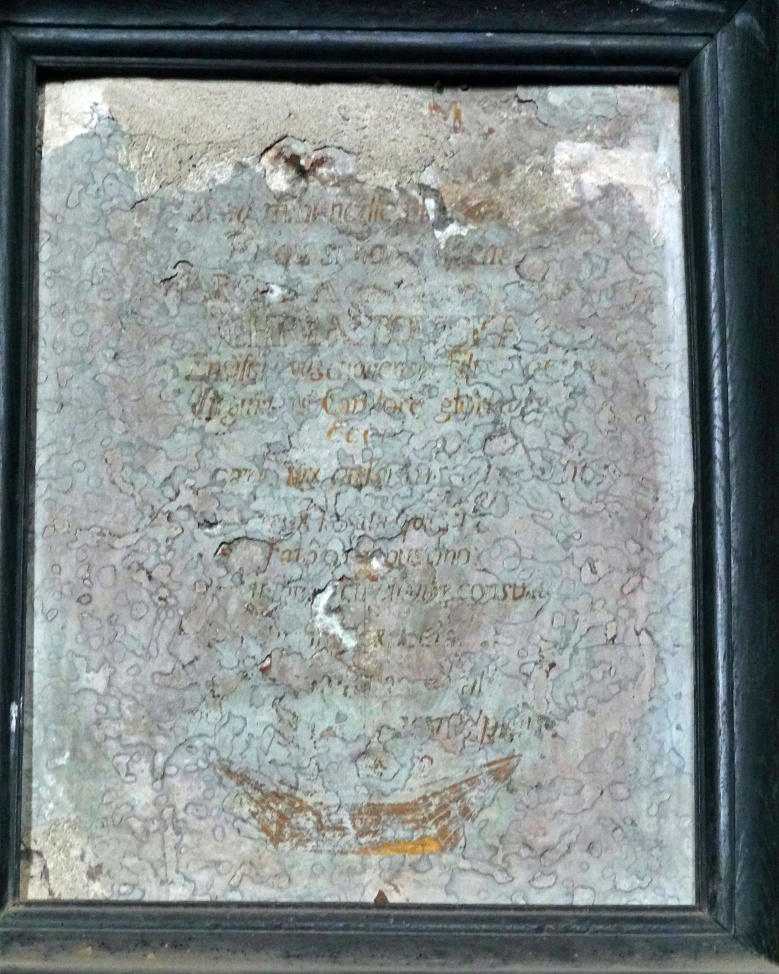
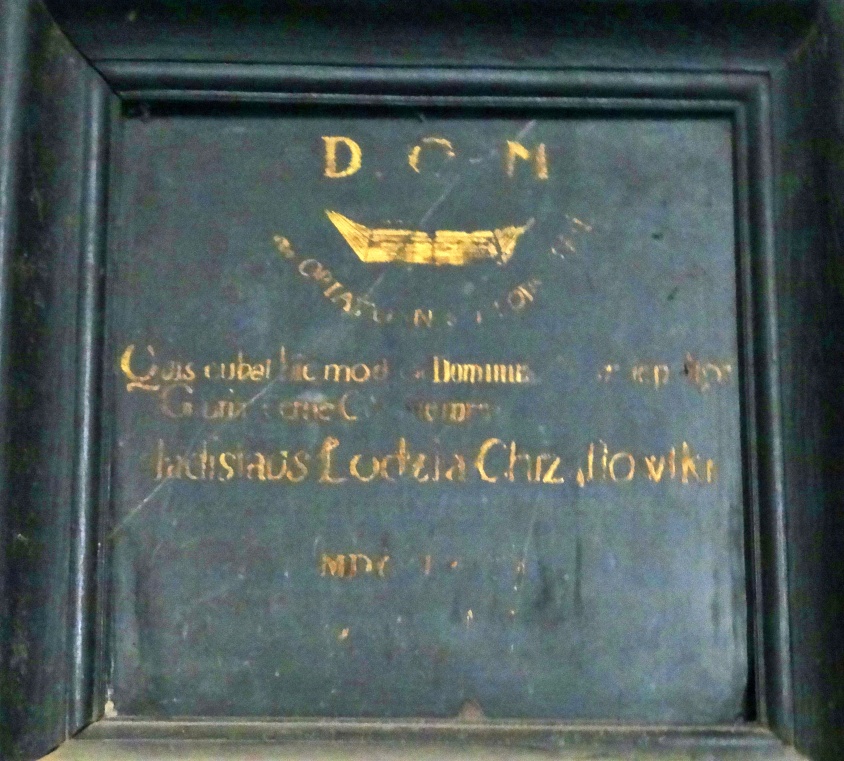
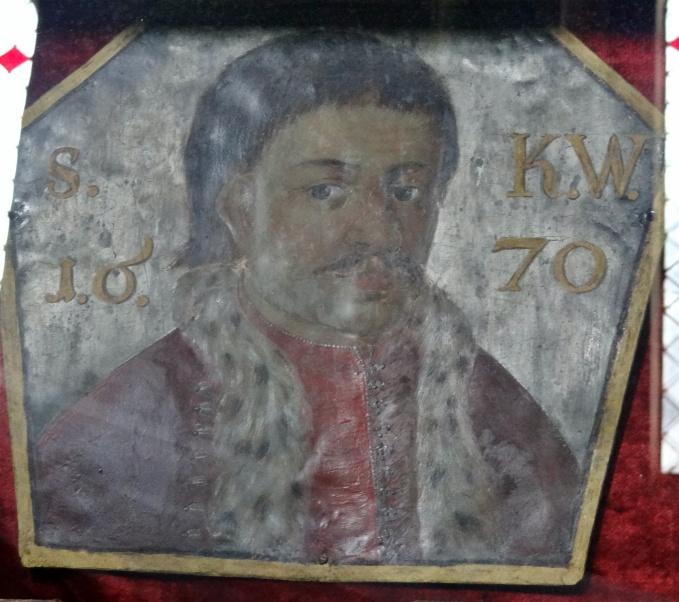
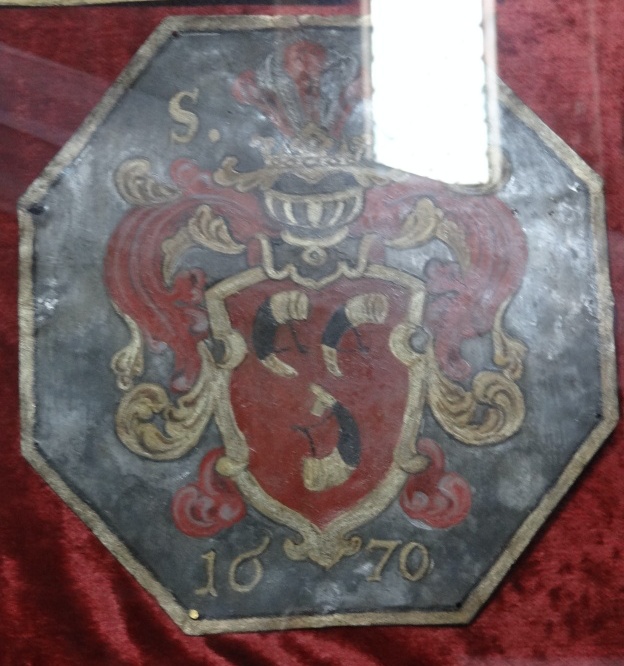
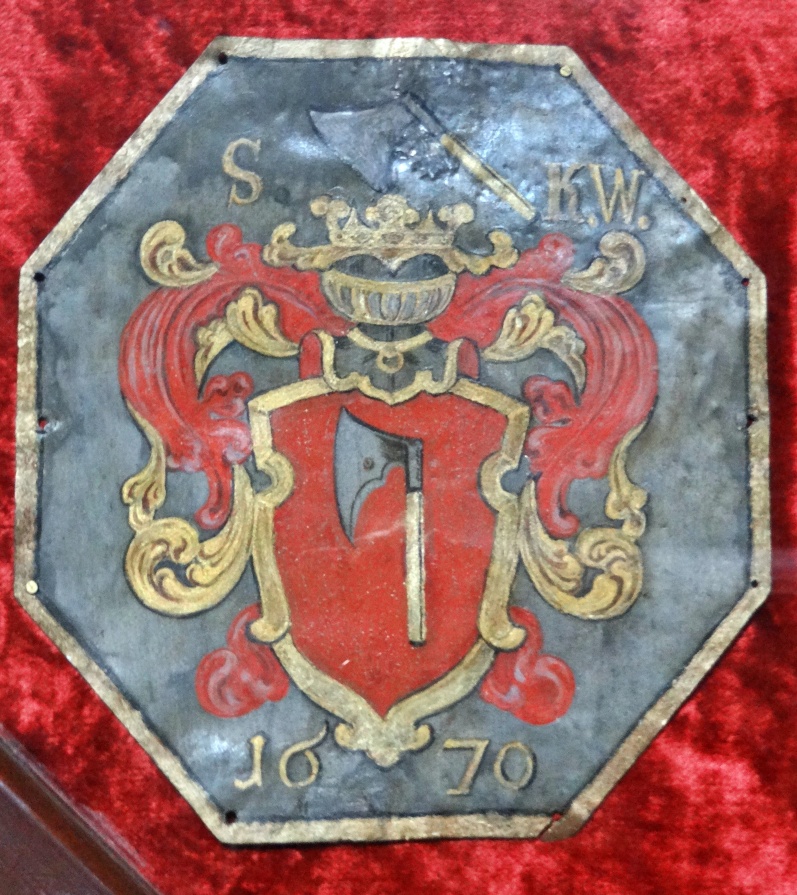
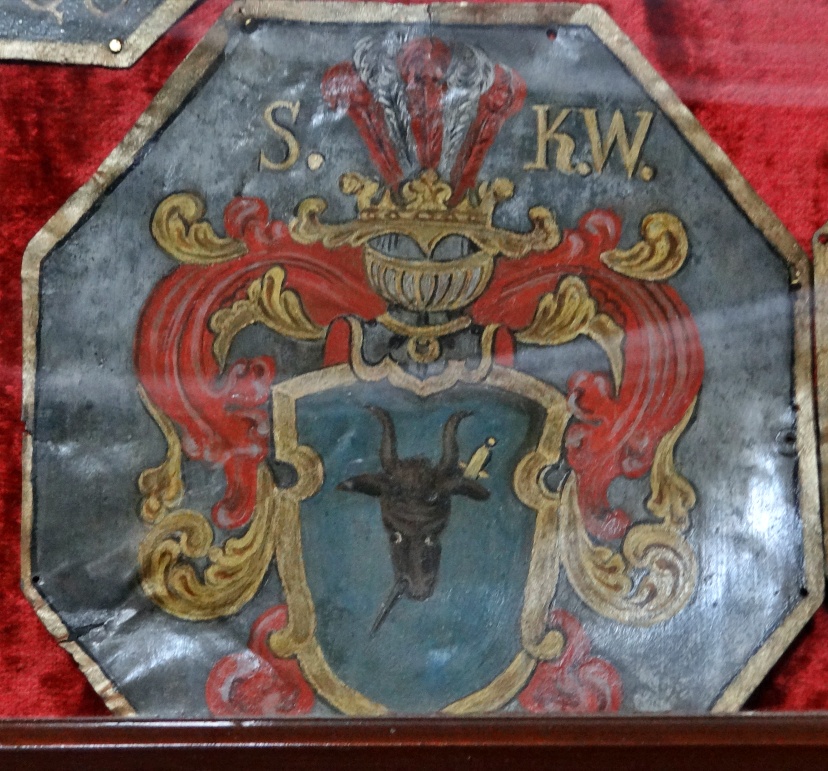
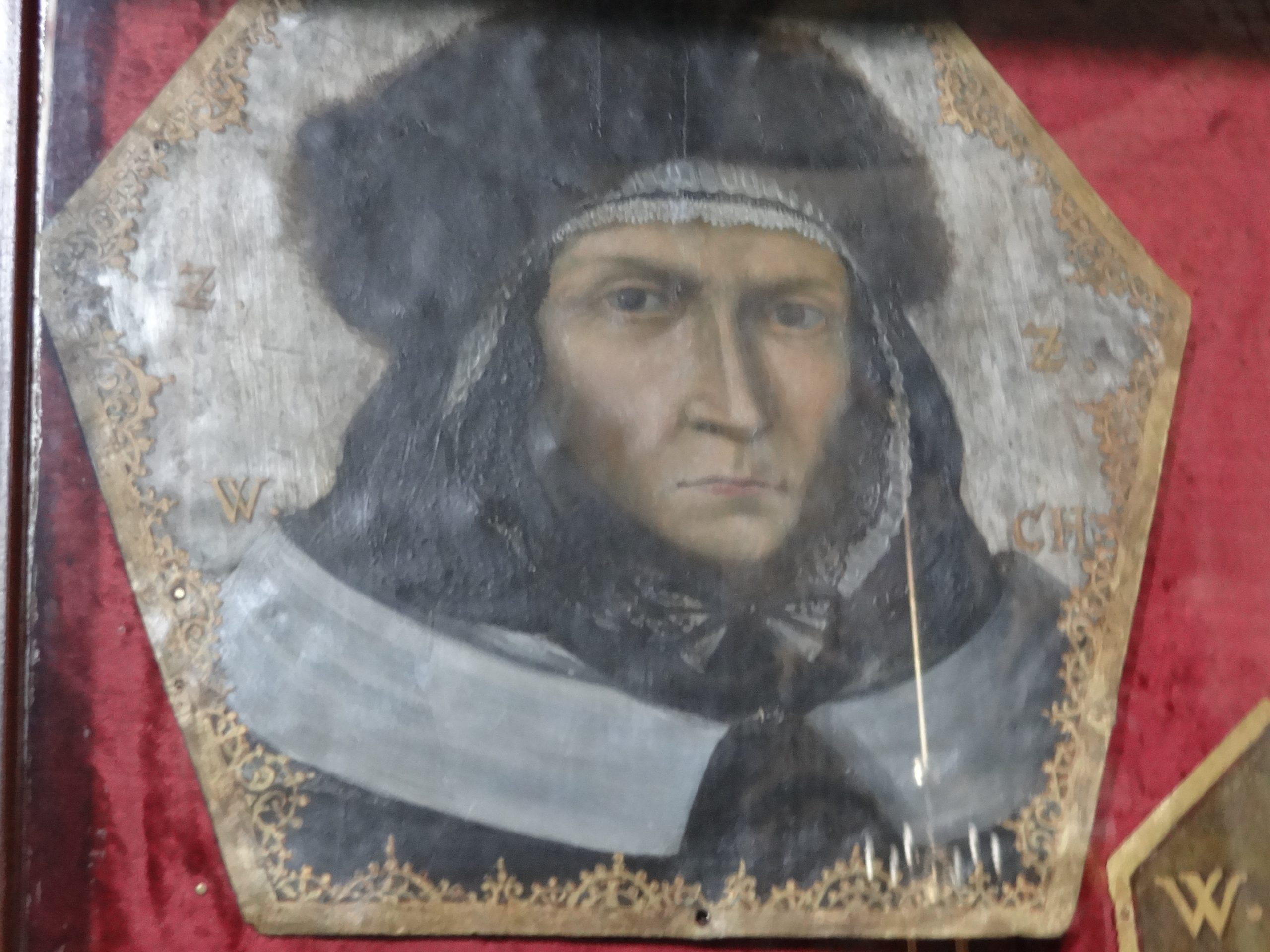
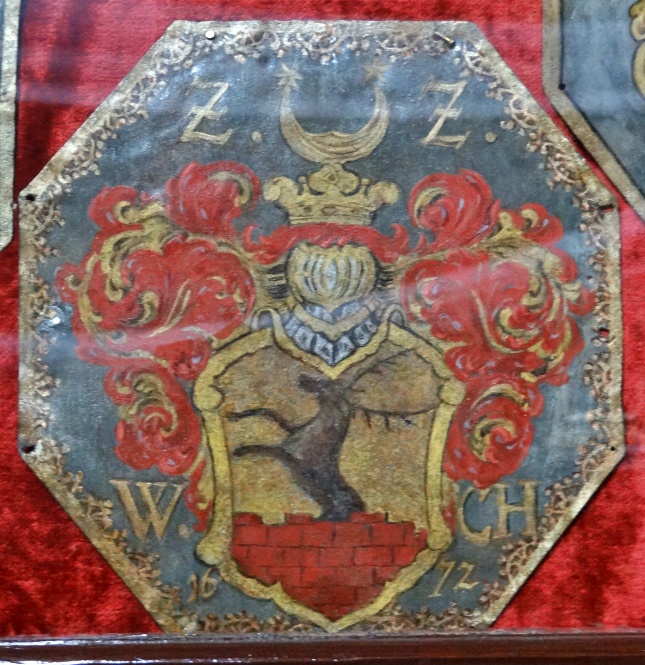
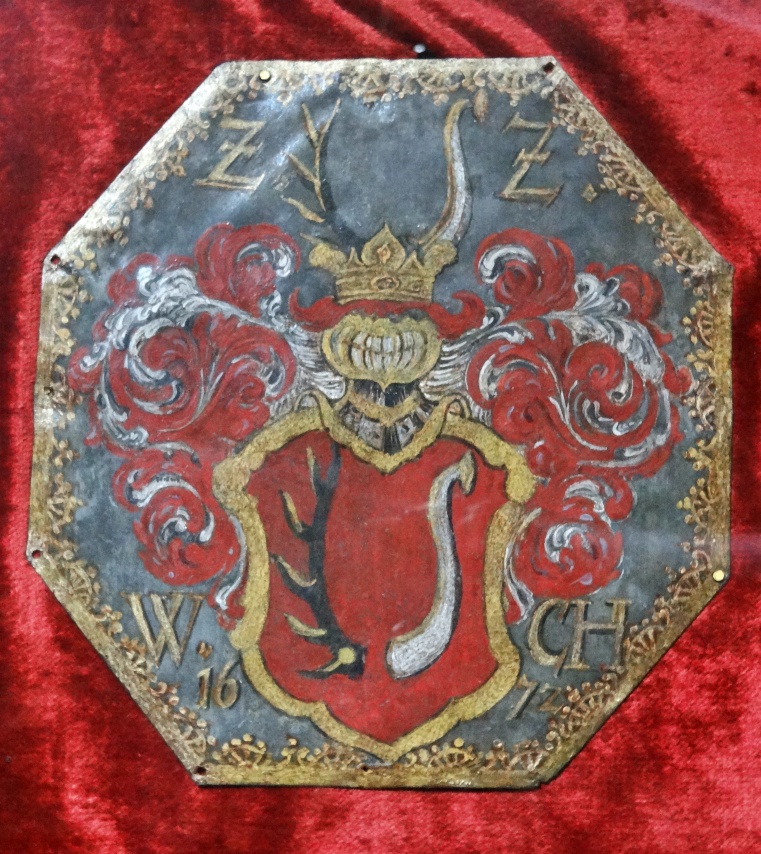
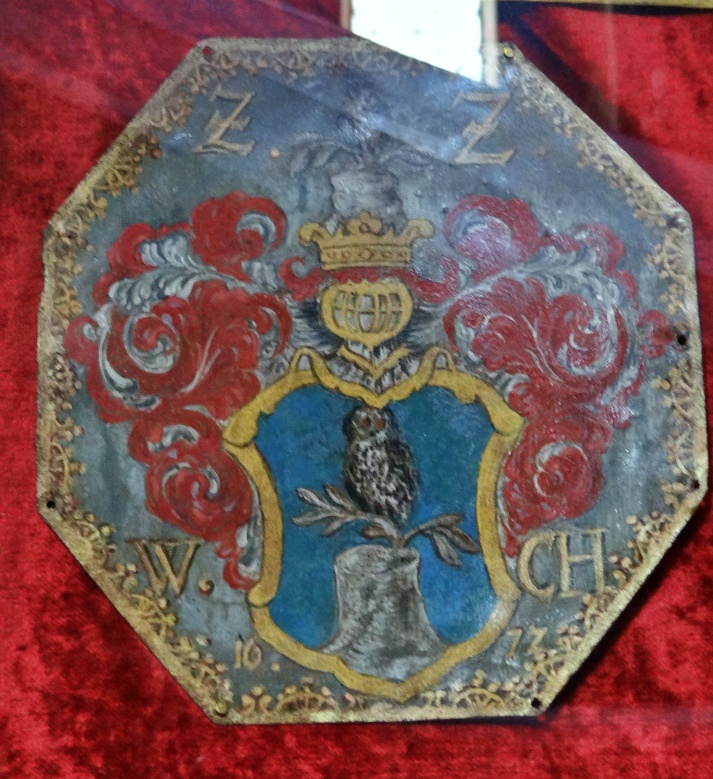
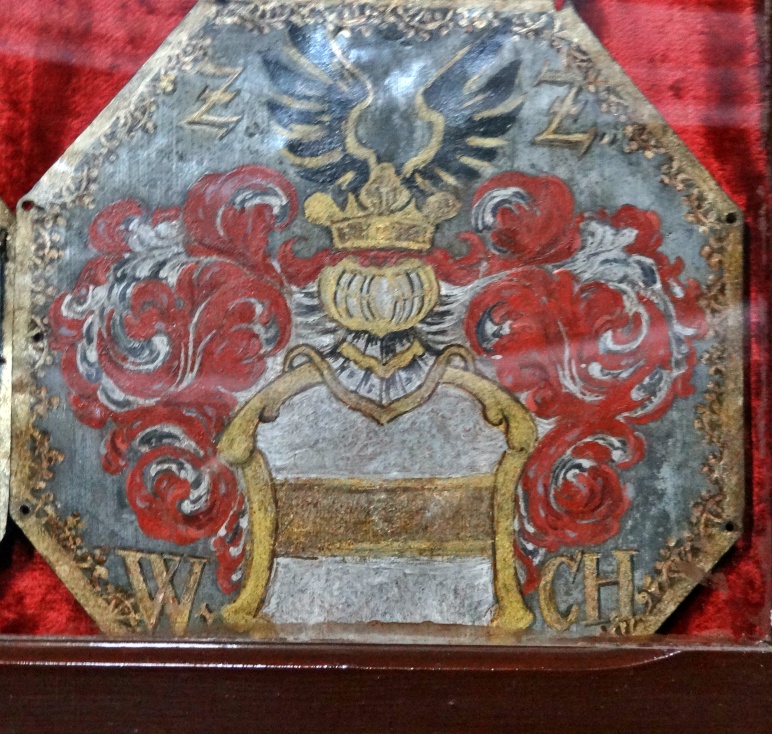
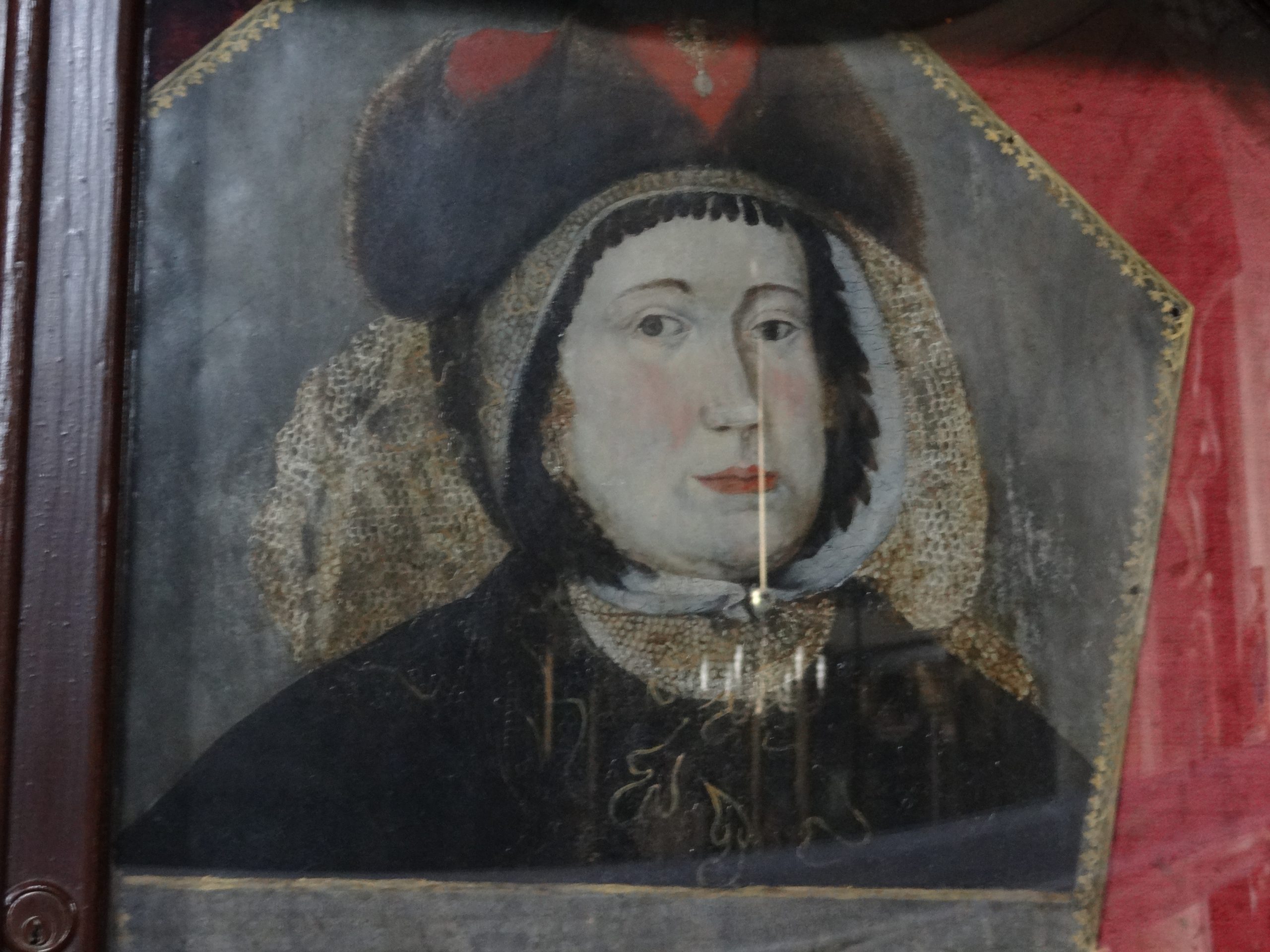
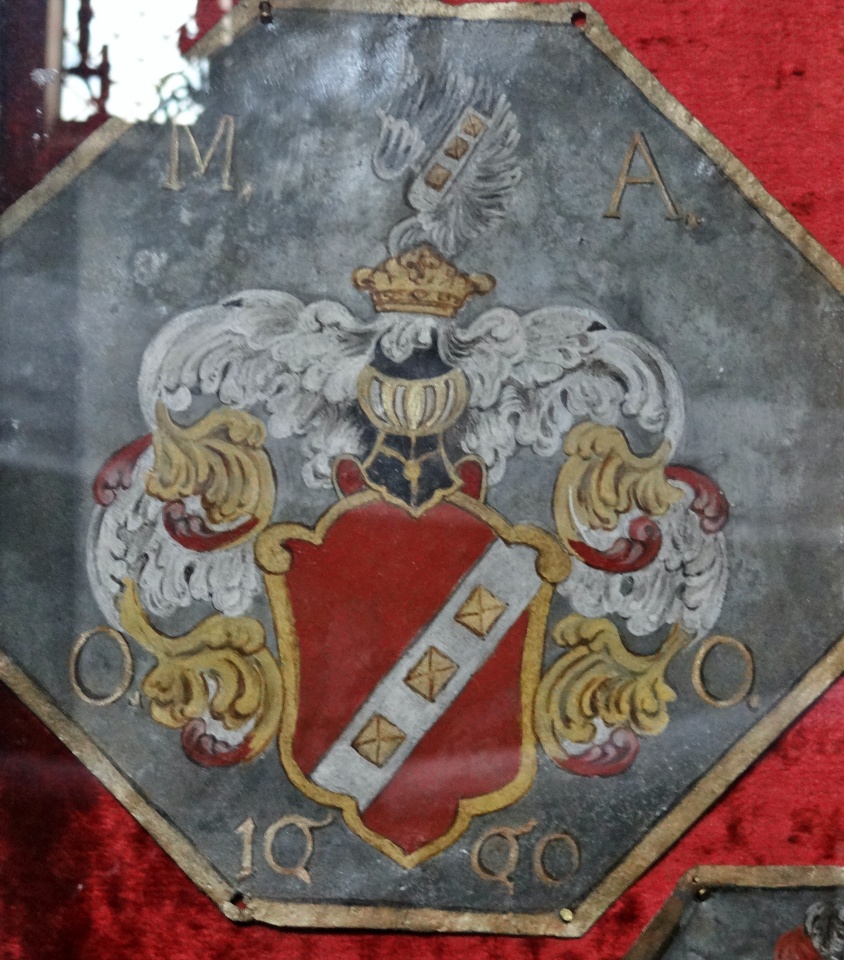
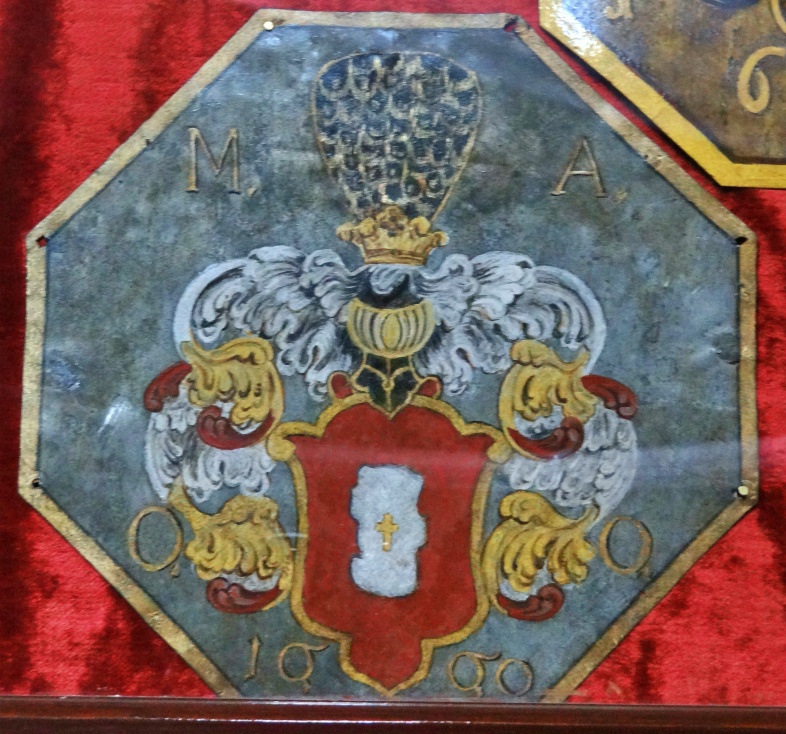
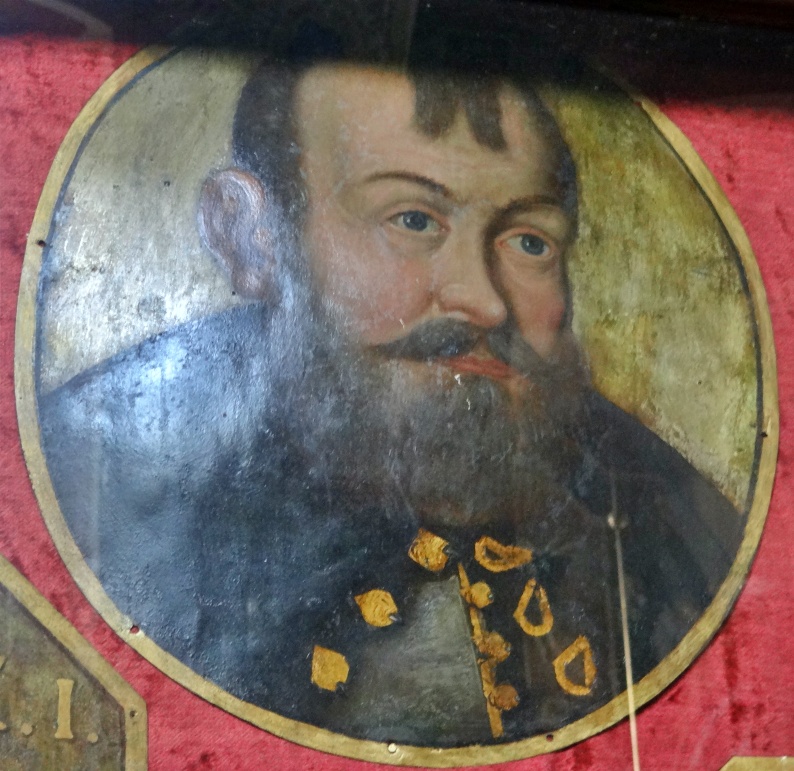
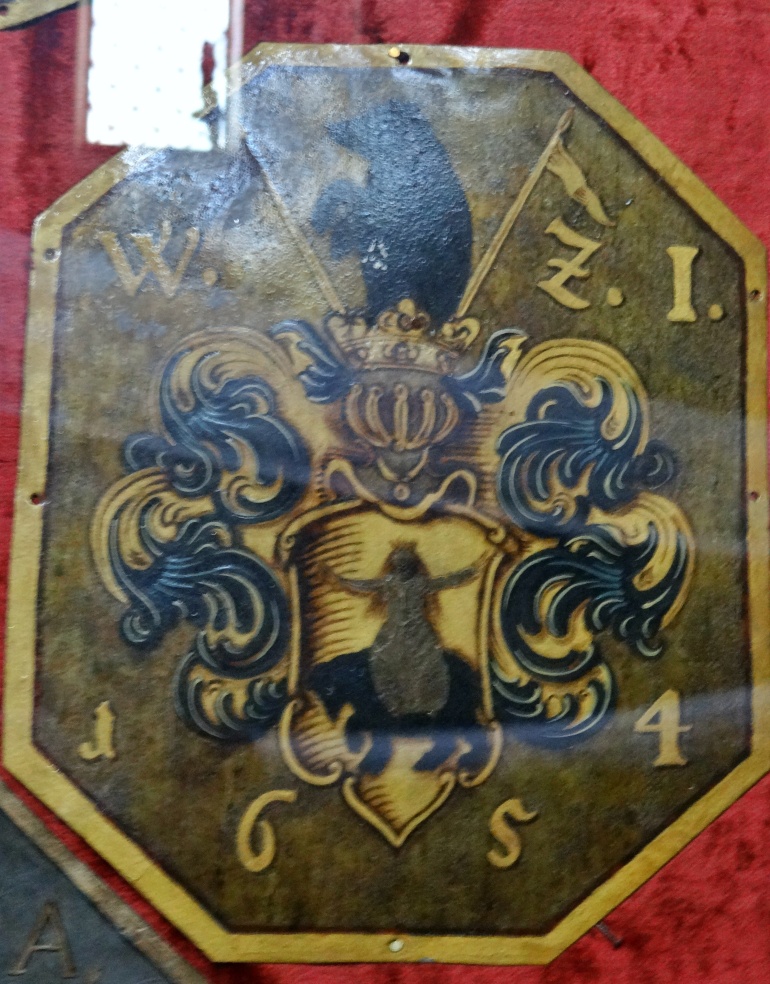
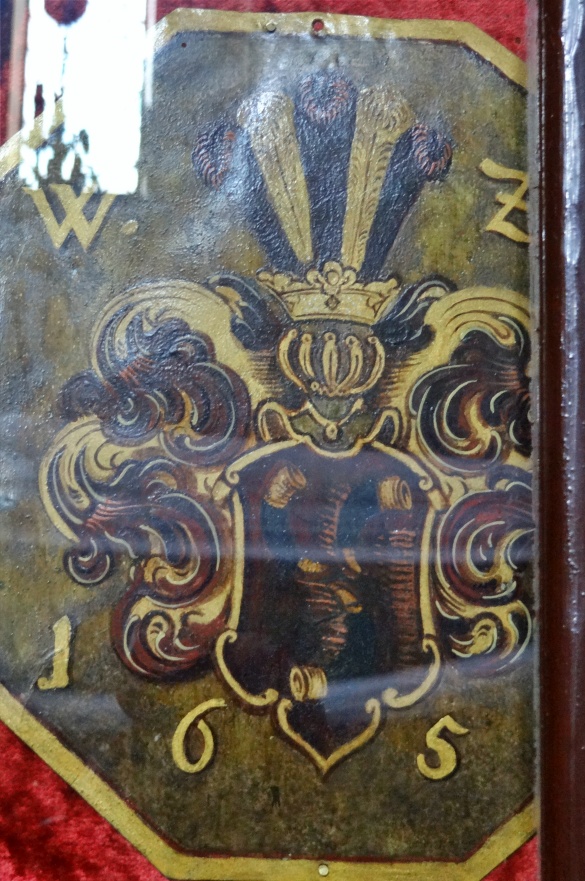
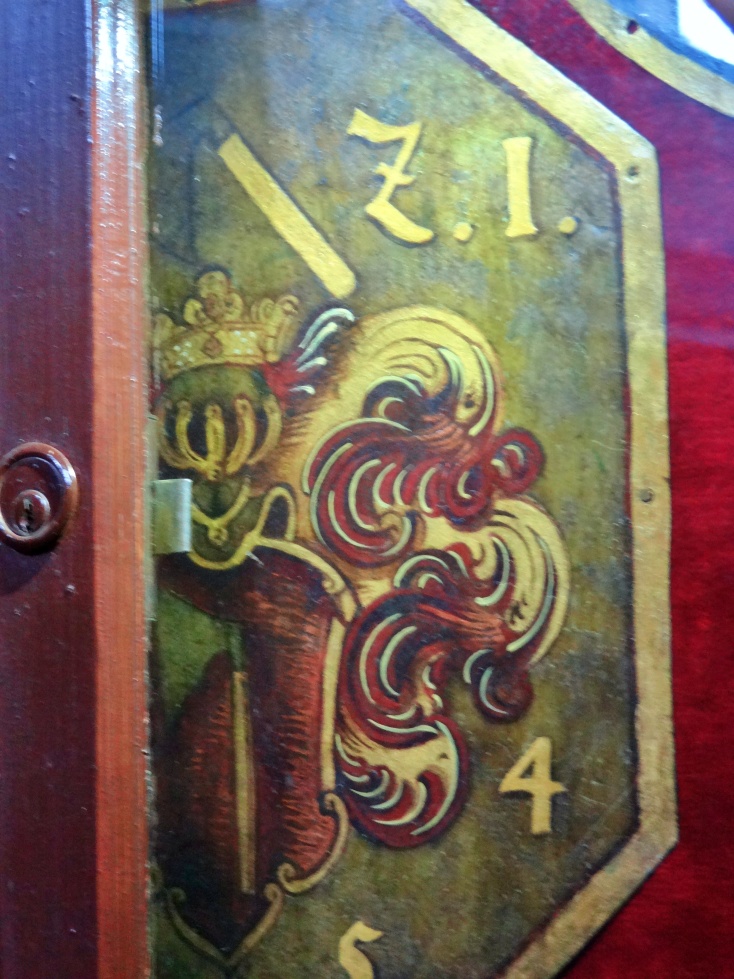
Ograniczając się do zabytków heraldyki szlacheckiej należy wspomnieć dwie ich grupy — zespół epitafiów, upamiętniających głównie członków rodu Chrząstowskich z ich herbową Łodzią oraz unikalną kolekcję sarmackich portretów i herbów trumiennych odnalezionych zupełnym przypadkiem w 1984 r. przez miejscowego proboszcza, ks. Z. Orlikowskiego pod likwidowanym stopniem prawego ołtarza bocznego.
Oto wybrane z nich (większość):
The Mannerist Church of the Holy Trinity in Byszewo was founded by Polish nobleman and the abbot from nearby Koronowo – Jan Karol Czołchański of the Sas coat of arms. Erected in the years 1610-1663, the temple underwent a major reconstruction in the second half of the 18th century thanks to two other Koronowo abbots (uncle and nephew), Stefan Mikołaj and Jan Antoni Chrząstowski (coat of arms: Łodzia). The church is beautiful with its rich baroque and late baroque furnishings, although it requires extensive renovation, Among the pieces of art located here, there is the miraculous painting of Our Lady of Byszewo, probably from the 13th century. According to legend, it was fished out from the lake where it appeared to the monks of the local Cistercian order. Since then, it has been famous for miracles. On November 22, 1964, Pope Paul VI issued a decree regarding the coronation of the miraculous image.
Limiting ourselves to the monuments of noble heraldry, two groups should be mentioned – a set of epitaphs, commemorating mainly members of the Chrząstowski family with their coat of arms Łodzia, and a unique collection of Sarmatian funeral portraits and coffin coats of arms, found completely by accident in 1984 by the local parish priest, rev. Z. Orlikowski under the liquidated step of the right side altar.
Here are some of them (most):
Epitafia z charakterystycznym godłem herbu Łodzia, czyli złotą łodzią. U góry: Władysława (“Ladislaus”) Łodzia-Chrząstowskiego, w środku — nieczytelne, u dołu: Wojciecha (“Adalbertus”) Łodzia-Chrząstowskiego. Epitaphs with the characteristic emblem of the coat of arms “Łodzia” (‘a boat’), i.e. a golden boat. Top: Władysław (“Ladislaus”) Łodzia-Chrząstowski, in the center – illegible, bottom: Wojciech (“Adalbertus”) of Łodzia-Chrząstowski.
Herb Trąby odmienne. W podstawowej wersji herb Trąby ma srebrne pole, a w klejnocie strusie pióra w naturalnym kolorze. Tutaj widzimy pole czerwone i kolorowe (czerwone i białe) pióra w klejnocie. Variation of the coat of arms “Trąby” (“Trumpets”). In its basic version, the coat of arms Trąby has a silver field, and in the crest there are ostrich feathers in a natural color. Here we see a field of red and colored (red and white) feathers in the crest. Herb Korzbok. To podstawowa wersja tego herbu — w polu błękitnym trzy złote karpie. Wśród pomorskiej (kaszubskiej) szlachty można spotkać jeszcze wersję lokalną używaną przez ród Tuchołków — w polu srebrnym trzy złote karpie, w klejnocie ręka zbrojna z mieczem. Coat-of-arms: Korzbok. This is the basic version of this coat of arms – Azure, three carps Or, in pale. Among the Pomeranian (Kashubian) nobility, you can also find a local version used by the Tuchołka family – Argent, three carps Or, in pale. Crest: an armed hand with a sword.
Herb Oksza. Wersja klasyczna. Coat of arms: Oksza. Classical version Herb Pomian odmienny. W podstawowej wersji herbu pole jest złote, a w klejnocie znajduje się zbrojna ręka z mieczem. W tej wersji widzimy pole błękitne, a w klejnocie — białe i czerwone pióra strusie. Variation of the Pomian coat of arms. In the basic version of the coat of arms, the field is Or (golden), and in the crest there is an armed hand with a sword. In this version, we see a field Azure, and in the crest – ostrich feathers – Argent and Gules. Lady Chrząstowska, nee Wąglikowska (?) Herb Wąglikowskich określany jako Stojentin odmienny z racji wywodzenia się pomorskich Wąglikowskich z rodu Stojentinów. Półjeleń, a szczególnie półksiężyć z gwiazdami są bardzo popularnymi elementami herbów szlachty pomorskiej. The coat of arms of the Wąglikowski family is referred to as a different version of the Stojentin coat of arms due to the origin of the Pomeranian Wąglikowski family from the Stojentin family. Half-deer, and especially the crescent with stars, are very popular elements of the coats of arms of the Pomeranian nobility. Herb Rogala odmienna. W wersji podstawowej pole jest dwudzielne w słup — w polu lewym, czerwonym róg tura, srebrny. W polu prawym, srebrnym, róg jelenia czerwony. W klejnocie oba rogi w tychże kolorach, w odwrotnym ułożeniu. Tutaj – jak widać – pole tarczy jest w jednolitym, czerwonym kolorze, róg jeleni jest czarny ze złotymi ozdobami, a w klejnocie ułożono rogi tak samo jak w tarczy. Variation of the coat of arms Rogala. In the basic version, the field is divided per pale – in the left field, Gules, a horn, Argent. In the right field, Argent, a deer horn, Gules. In the crest, both horns in the same colors, reversed. Here – as you can see – the field of the shield is uniform, Gules, the deer horn is Sable with ornaments Or, and the horns are arranged in the crest in the same way as in the shield. Herb Czarliński. Herb Bartlińskich często błędnie ukazywany jest w łudząco podobnej formie, chociaż powinien wyobrażać szpaka, a nie sowę. auto_awesome Czy chodziło Ci o: Herb Czarliński. Herb Berlińskich często błędnie ukazywany jest w łudząco podobnej formie, chociaż powinien wyobrażać szpaka, a nie sowę. Czarliński coat of arms. The coat of arms of the Bartliński family is often incorrectly shown in a confusingly similar form, although it should represent a starling, not an owl. Herb Kotwicz odm. (?) Identyfikację osłabia fakt, że w podstawowej wersji Kotwicza pas środkowy w tarczy jest czerwony, a w klejnocie powinna być ręka zbrojna z mieczem. Variation of the coat of arms Kotwicz. Identification is made more difficult by the fact that in the basic version of Kotwicz, the center belt on the shield is red, and there should be an armed hand with a sword in the crest. Dorota z Chrząstowskich Wąglikowska (?) Lady Dorota Chrząstowska, nee Wąglikowska (?) Herb Drya. Uwagę zwraca rzadko występujący w tej formie klejnot, który przedstawia — zgodnie z ustaleniami prof. J. Szymańskiego — oryginalną średniowieczną wersję (pióro z godłem), później zastępowaną często piórami strusimi (powszechna w Rzeczypospolitej praktyka w razie braku wiedzy o prawidłowym kształcie klejnotu). Coat-of-arms: Drya. A coat of arms’ crest, rarely found in this form, attracts attention. According to the findings of prof. J. Szymański – we see the original medieval version of the crest (wing with a charge on it), later often replaced with ostrich feathers (common practice in Poland in the absence of knowledge about the correct shape of the crest). Herb niezidentyfikowany. Być może Kuszaba odm. lub Mogiła odm.? Unidentified coat of arms. Perhaps a variation of Kushaba or Mogiła?
Herb Rawicz z lekko odmienioną wersją klejnotu. W wersji podstawowej niedźwiedź dzierży w łapie kwiat róży, a otaczają go dwa rogi jelenie. Tutaj widzimy niedźwiedzia łąszącego się, z opuszczonymi łapami, a wokół niego zamiast rogów — dwie kopie z proporczykami. Rawicz coat of arms with a slightly different version of the crest. In the basic version, a bear holds a rose flower in its paw and is surrounded by two deer horns. Here we see a bear playing with its paws down, and around it, instead of horns, there are two spears with pennants. Ponownie herb Trąby odmienne – z nietypowym klejnotem i barwą pola. Again, the coat of arms of Trąby is different – with an unusual jewel and the color of the field. i ponownie herb Oksza. And again Oksza coat of arms
Cudowny obraz Matki Boskiej Byszewskiej w ołtarzu głównym kościoła w Byszewie. The miraculous painting of Our Lady of Byszewo in the main altar of the church in Byszewo.